Healthcare System
A complete guide to navigate serenely the Moroccan healthcare offer: from public to private, from emergencies to health insurance.
Double Speed? Public vs Private
Morocco has a mixed system. While public hospitals (CHU) often have the best cutting-edge technologies and most renowned professors, they suffer from high attendance.
The private sector (Clinics) is favored by expatriates and the middle class for its hotel-like service quality, speed, and European standards, especially in Casablanca, Rabat, and Marrakech.
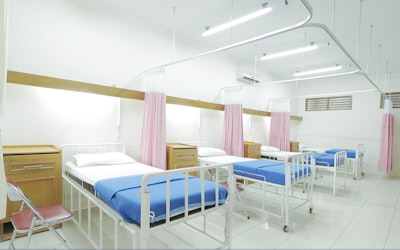

Healthcare Facilities
Public Hospitals (CHU)
University reference centers. Heavy and specialized care.
Private Clinics
International standards. Speed and hotel comfort.
Health Centers
Proximity, basic care, vaccination, mother-child monitoring.
Medical Offices
Specialist consultations in town.
Medical Coverage
Since the generalization of AMO (Mandatory Health Insurance), coverage is expanding. For expatriates, private insurance remains often the best choice.
AMO / CNSS
- Coverage70% to 90% (Public & Private)
- Estimated Cost% of Salary
Private Insurance
- CoverageQuick reimbursement, High ceilings
- Estimated CostVariable (by options)
CFE
- CoverageFrench Social Security continuity
- Estimated CostFlat rate
Daily Health
Morocco is a safe country in terms of health. A few simple precautions are enough for a peaceful stay.
Did you know?
Morocco has a very developed pharmaceutical industry that covers 60% of national needs. Pharmacies are everywhere and well-stocked.
Water
Tap water is drinkable in major cities but chlorinated. Bottled water recommended for short stays.
Sun
Watch out for dehydration and sunburn, even in winter.
Pharmacies
Recognizable by the green crescent. Excellent advice and dispense some medications without prescription.
Vaccines
No mandatory vaccines. Hepatitis A and Typhoid recommended.